The starting point
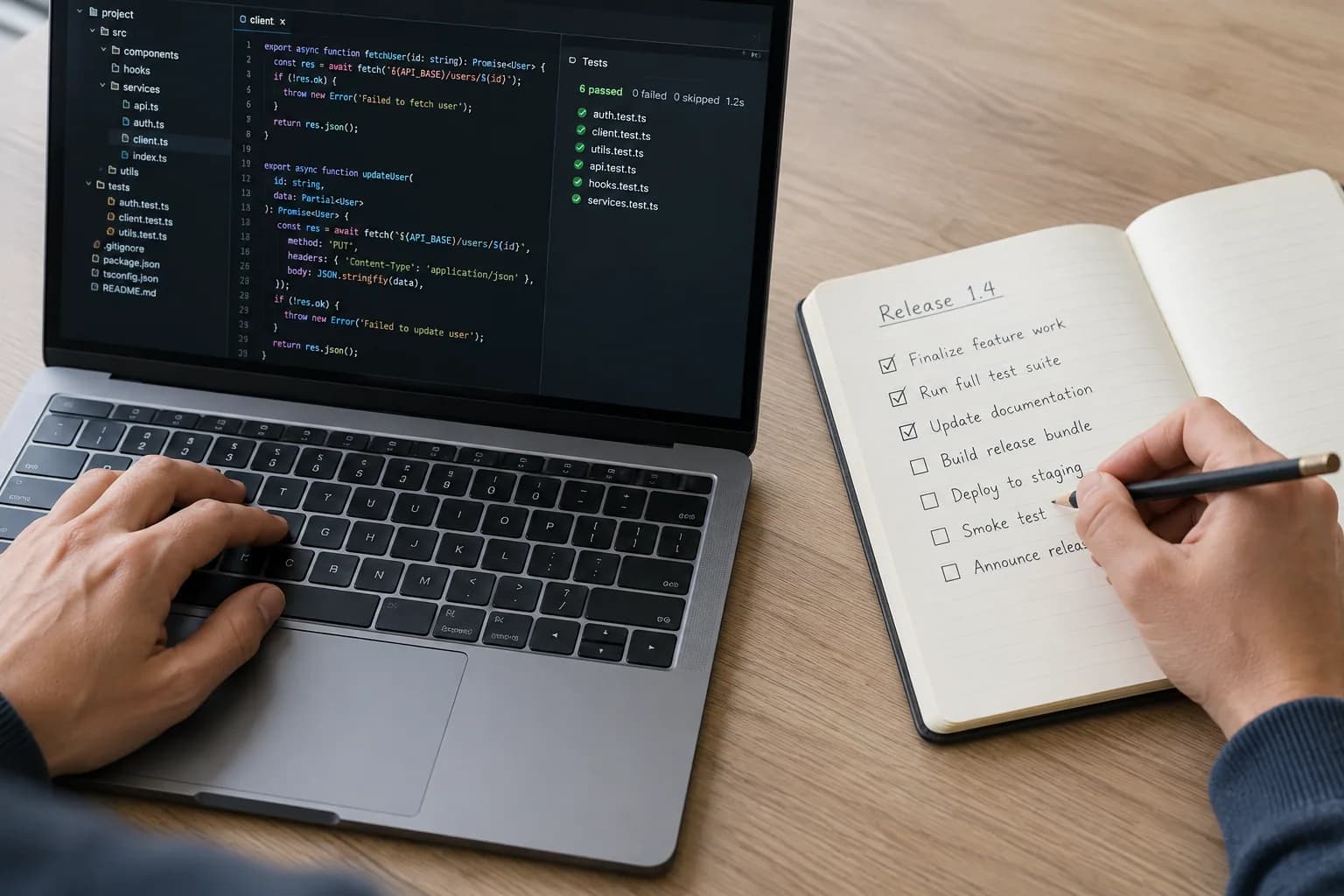
A green pipeline tells you that a sequence of checks completed. The next question is whether people can still use the product as intended. A release plan should connect deployment steps to that real experience, and explain what the team will do when the new version behaves differently from the one they tested.
Make the change easy to understand
Describe the release in terms of the user journey it affects. Separate an interface change from a database migration when the dependency allows it. A reviewer should be able to identify what changed, what could be affected and which checks support the decision to release.
AWS's Operational Excellence guidance recommends frequent, small, reversible changes to limit their scope and impact. Apply that principle to your product's constraints. A small deployment is valuable when its behaviour and recovery options are understood, not merely because its code diff is short.
Verify something the user actually needs
Choose a few checks tied to the release. For a booking change, confirm that a user can find availability, submit a booking and receive the expected confirmation. Include the service connections that must work together instead of checking only whether the homepage responds.
Agree which signals the team will watch after deployment. Errors, latency and queue behaviour may matter, but someone must interpret them in context. Define who watches, for how long and what would trigger investigation or recovery before starting the release.
Plan for records created after the change
Reverting an application version does not automatically undo a data change or an action sent to another system. List schema changes, queued jobs and external side effects in the release plan. Consider whether the previous application can still read records written by the new version.
Choose a recovery approach appropriate to those dependencies and rehearse it in a safe environment. That could involve a compatible earlier version, a corrective release or a deliberate data recovery procedure. Record the trade-offs and the person authorised to make the decision.
Leave the next team a clearer starting point
Keep the release note close to the changes it describes. Include the version, affected services, verification steps and any temporary configuration. Make it possible for an engineer who was not in the release call to understand the system's current state.
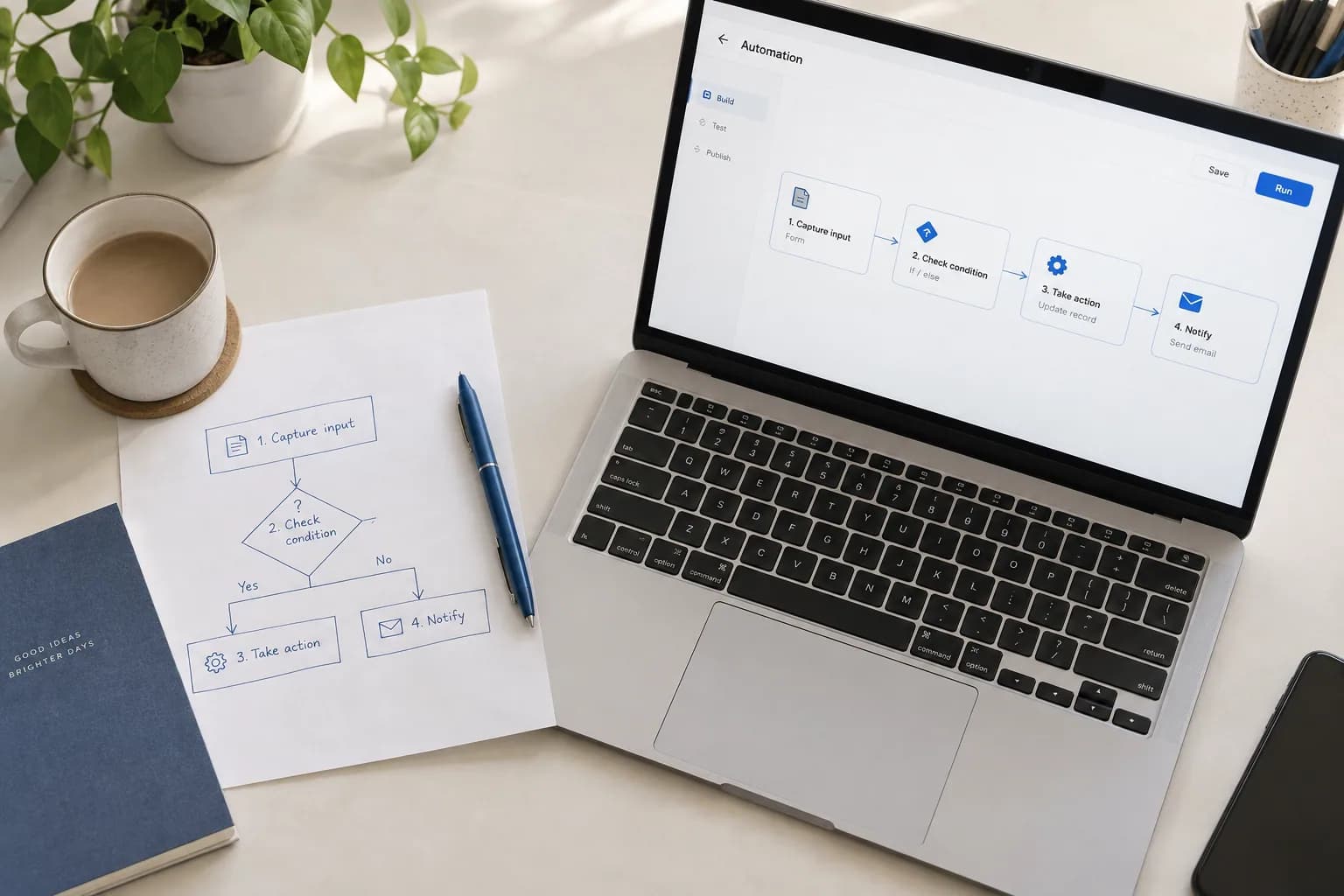
After the rollout, review what the checks missed and which steps needed manual interpretation. Turn useful findings into a smaller checklist, a better alert or a repeatable automation. Release confidence grows when the operating process learns alongside the product.
Further reading on limiting the scope and impact of operational changes.
AWS: Small, reversible changesPut the thinking into practice
Ready for your next step?